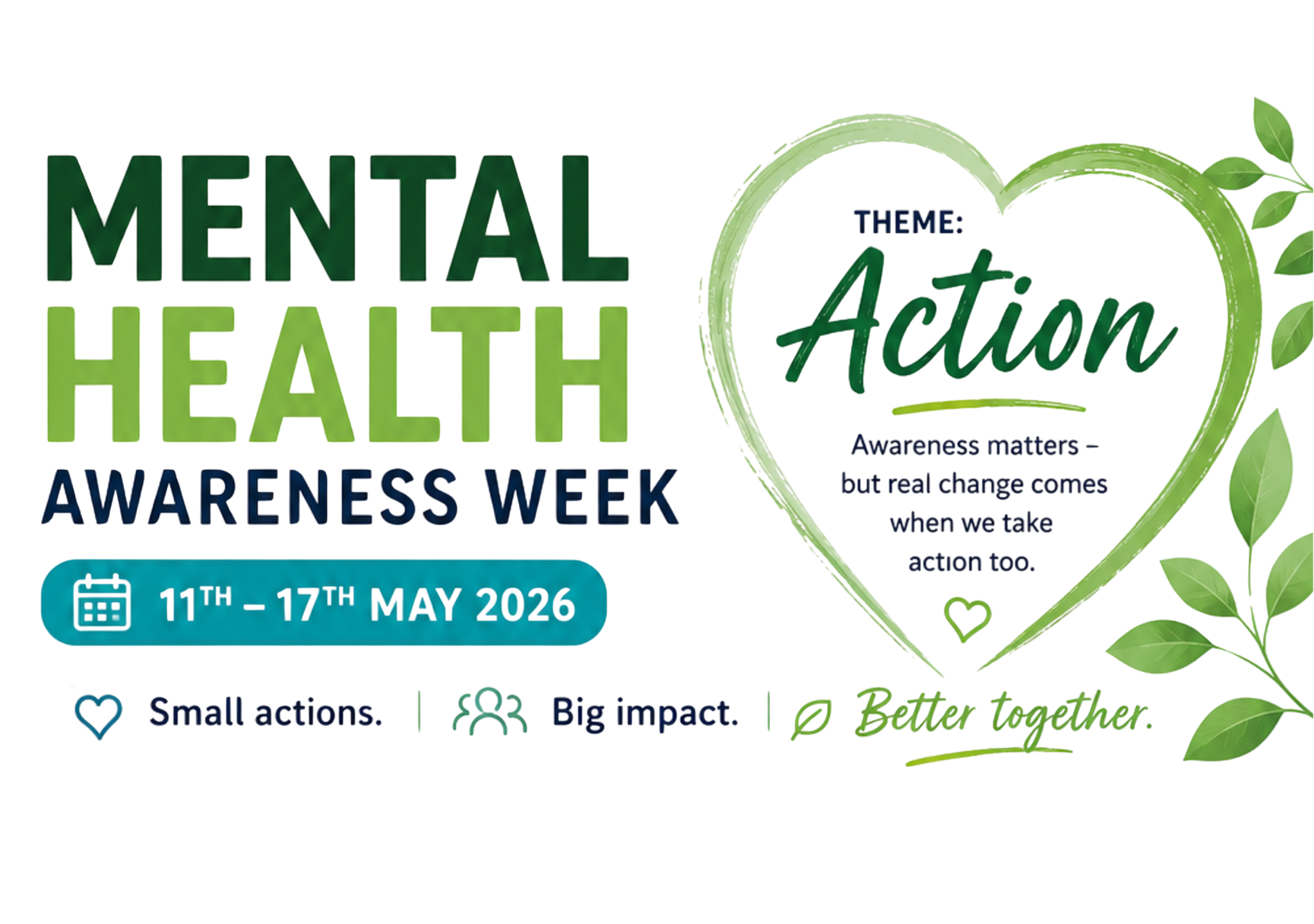
Prioritising Self-Care
Self-care isn’t a luxury - it’s a necessity. When you take care of yourself, you’re better equipped to care for others. Here are some ways to incorporate self-care into your daily routine:
1. Mindfulness and Relaxation
Stress is an inevitable part of the job, but how you manage it makes all the difference. Techniques like deep breathing, meditation, or yoga can help you stay grounded and calm. Even a few minutes of mindfulness each day can reduce anxiety and improve focus. Organisations like Mind offer excellent resources on mindfulness and relaxation techniques.
2. Physical Activity
Regular exercise is a powerful tool for mental health. Whether it’s a brisk walk, a swim, or a gym session, physical activity releases endorphins that boost your mood and reduce stress. Find an activity you enjoy and make it a regular part of your routine. The Mental Health Foundation provides tips on how physical activity can improve mental well-being.
3. Nourishing Your Body
A healthy diet and proper hydration are essential for both physical and mental well-being. Eating balanced meals and staying hydrated can improve your energy levels, mood, and overall resilience. For advice on maintaining a healthy diet, visit NHS Eat Well.
4. Spending Time with Loved Ones
Social connections are vital for mental health. Make time to connect with friends and family, even if it’s just a quick phone call or a coffee date. These moments of connection can help reduce feelings of isolation and provide emotional support. Samaritans is a great resource if you ever need someone to talk to.
5. Pursue Hobbies
Engaging in activities you love—whether it’s reading, gardening, painting, or listening to music—can provide a much-needed escape from work-related stress. Hobbies help you recharge and bring joy into your life.
Seeking Support and Setting Boundaries
While self-care is crucial, it’s equally important to recognise when you need additional support and to set boundaries to protect your well-being.
1. Team Support
You’re not alone in this journey. Lean on your colleagues, supervisors, or mentors when you’re facing challenges. Sharing your experiences and listening to others can foster a supportive and understanding work environment.
2. Seeking Professional Help
There’s no shame in reaching out for professional support. Therapists, counsellors, and mental health professionals can provide valuable tools and strategies to help you navigate the emotional demands of your role. BACP (British Association for Counselling and Psychotherapy) can help you find accredited therapists in your area.
3. Setting Boundaries
Establishing clear boundaries between work and personal life is essential to prevent burnout. Avoid taking work home with you, both physically and emotionally. Make time for rest and recovery, and prioritise activities that help you unwind.
4. Limit Shift Work and Sleep-Ins
Irregular shifts and sleep patterns can take a toll on your mental and physical health. Whenever possible, plan for adequate rest and recovery time outside of work. A well-rested mind and body are better equipped to handle the demands of your role.
Be Vigilant About Self-Care
Your well-being is an ongoing priority. Regularly reflect on how you’re feeling and take action if you notice signs of stress or burnout. Revisit strategies that have helped you in the past, and don’t hesitate to seek professional support when needed.
At Arbour Healthcare Group, we’re committed to supporting you in every way we can. Remember, taking care of yourself isn’t selfish—it’s essential. By prioritising your mental health, you’re not only enhancing your own well-being but also ensuring that you can continue to make a positive impact on the lives of the children in your care.
For additional resources and support, consider reaching out to these UK-based well-being charities:
• Mind: Offers advice and support for mental health.
• Mental Health Foundation: Provides resources on mental well-being.
• Samaritans: A 24/7 helpline for emotional support.
• YoungMinds: Focuses on mental health support for young people and those who care for them.